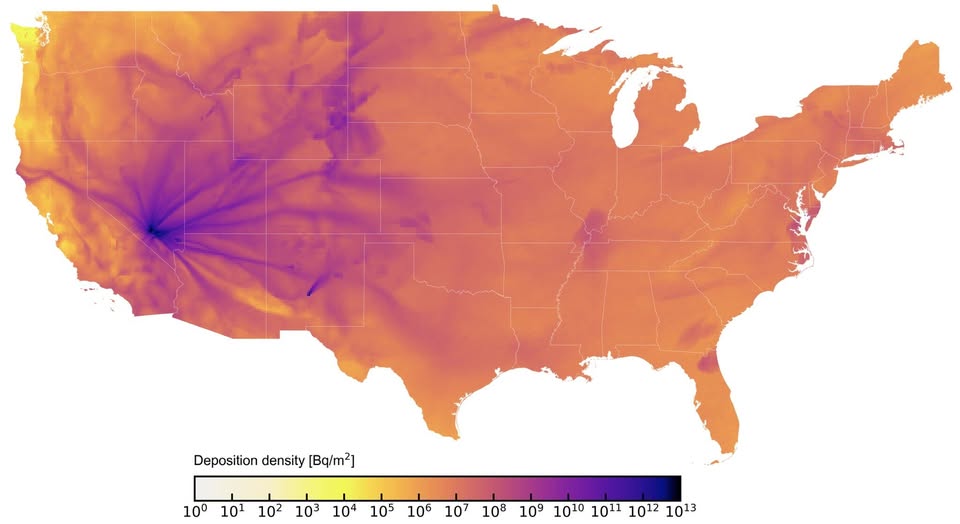
Data from gciruelos.com
Ever wondered which countries look the most like circles? Thanks to some clever mathematical analysis, we now know the answer.
Sierra Leone tops the list with an impressive roundness score of 0.934, making it the most circular nation on Earth.
How Do You Measure a Country’s Roundness?
The methodology involves calculating how closely a country’s shape matches a perfect circle. A score of 1.0 would represent a flawless circle, while lower scores indicate more irregular shapes.
The analysis considers the area’s boundary and compares it to the ideal circular form that could contain the same space.
Africa Dominates the Top Rankings
Looking at the top ten, African nations claim half the spots. Sierra Leone leads the pack, followed by Zimbabwe at third place, Ivory Coast at seventh, and both Suriname and Swaziland rounding out the list.
This geographical clustering suggests that certain continental formations and colonial boundary decisions may have inadvertently created these near-circular territories.
Small Island Nations Surprise
Nauru, a tiny Pacific island nation, secures second place with a score of 0.923. Its compact size and natural island formation give it an inherently round shape.
Scarborough Reef, technically a disputed territory rather than a recognized country, also makes an appearance at sixth place with a score of 0.901.
European and South American Entries
The Vatican City claims fourth position at 0.908, which makes sense given its deliberately designed circular structure within Rome.
Poland represents Eastern Europe at fifth place, while Uruguay and Suriname bring South American representation to the rankings.
Why Does Roundness Matter?
While this might seem like a quirky geographical curiosity, shape analysis reveals interesting patterns about how borders form.
Natural boundaries like coastlines, rivers, and mountain ranges create irregular edges, while artificially drawn borders from colonial periods sometimes produced straighter lines and more geometric shapes.
Countries with rounder shapes might theoretically benefit from shorter average distances between points within their borders, potentially affecting infrastructure development and internal travel efficiency. However, countless other factors play far more significant roles in a nation’s development and connectivity.
The Perfectly Round Country Remains Elusive
Despite Sierra Leone’s impressive score, no country achieves perfect roundness. Geographical features, historical boundary negotiations, and natural formations all contribute to the irregular shapes we see on maps. Even small island nations with naturally circular coastlines show variations that prevent them from reaching that theoretical 1.0 score.
This analysis reminds us that maps and borders tell fascinating stories about both natural geography and human history. Whether carved by rivers, negotiated in colonial offices, or formed by volcanic activity, each country’s shape carries its own unique narrative.
Help us out by sharing this map:
You May Also Like:
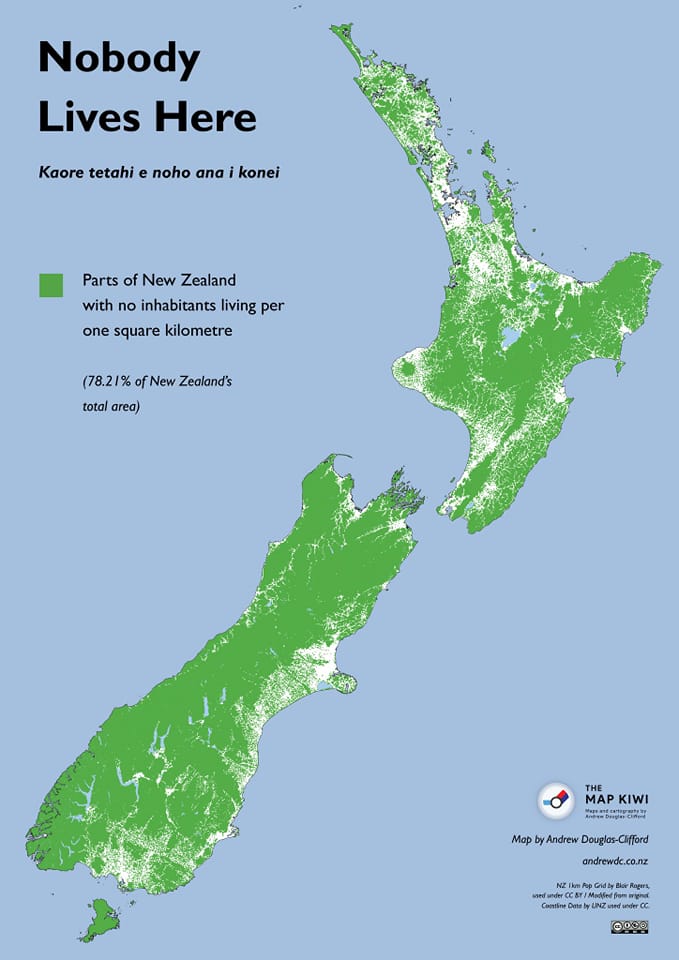
The Empty Heart of New Zealand: Where 78% of the Country Has Zero Neighbors
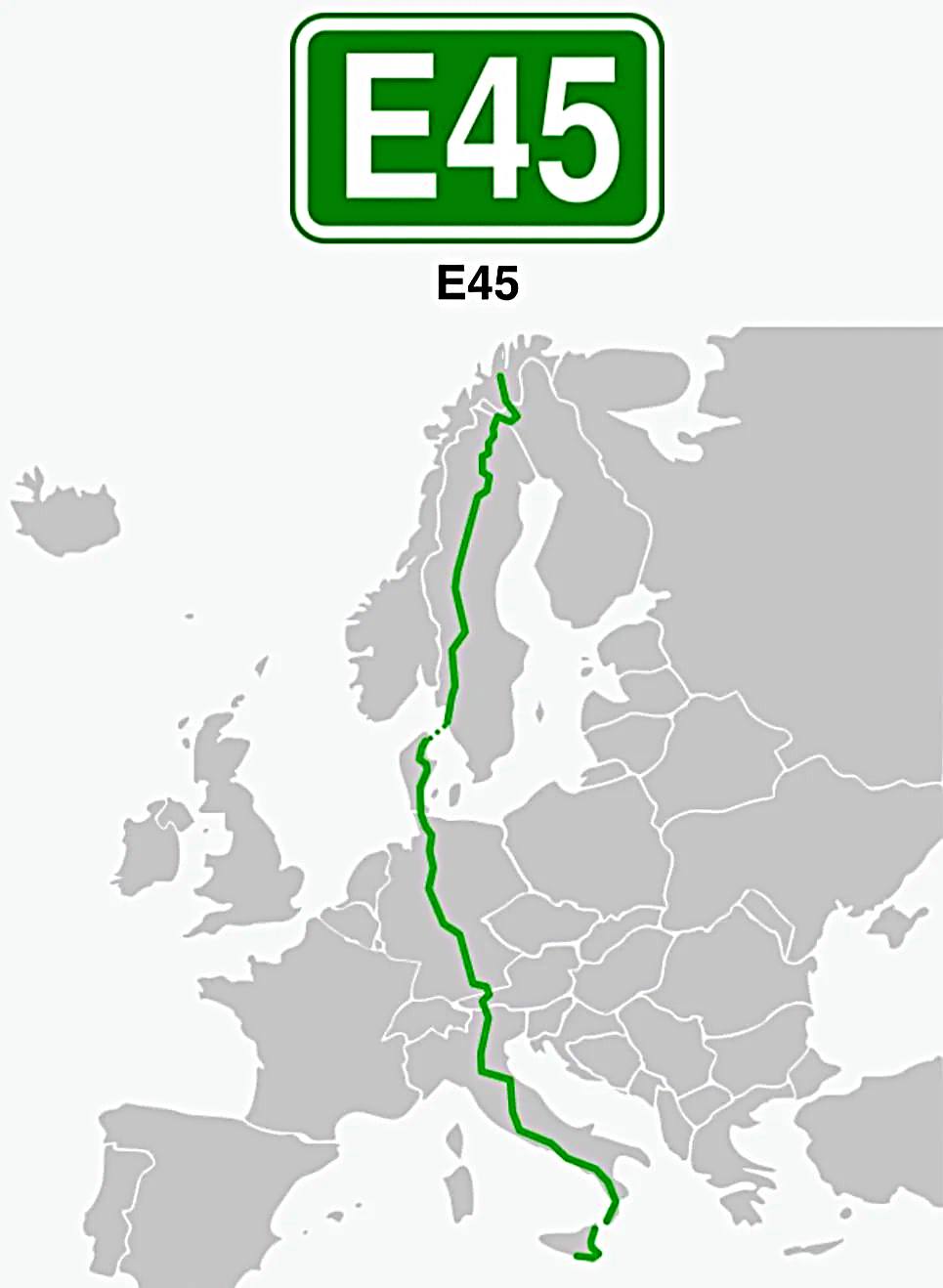
Journey Across Europe: Following the Epic E45 Route from Norway's Arctic to Sicily's Shore
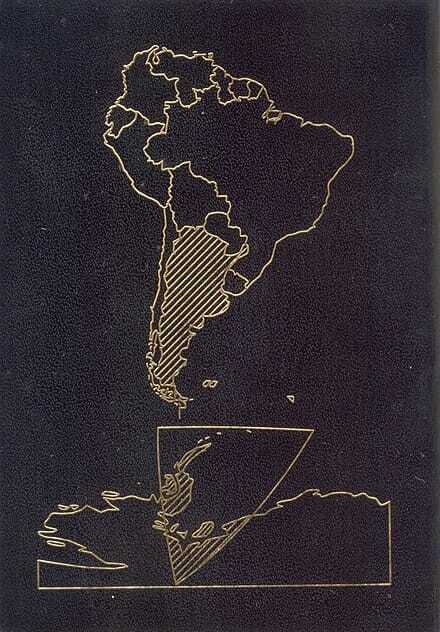
Argentina's Golden Claim: What Your Passport Cover Is Actually Telling You
Where Will the Sky Go Dark? Solar Eclipse Paths Mapped Through 2040
When the Sea Reclaims the Land: The Netherlands Without Its Famous Dikes
The Ancient Highways That Built the Modern World: The Silk Road Explained
How the Netherlands Rose From the Sea: The Amazing 700-Year Transformation